admin
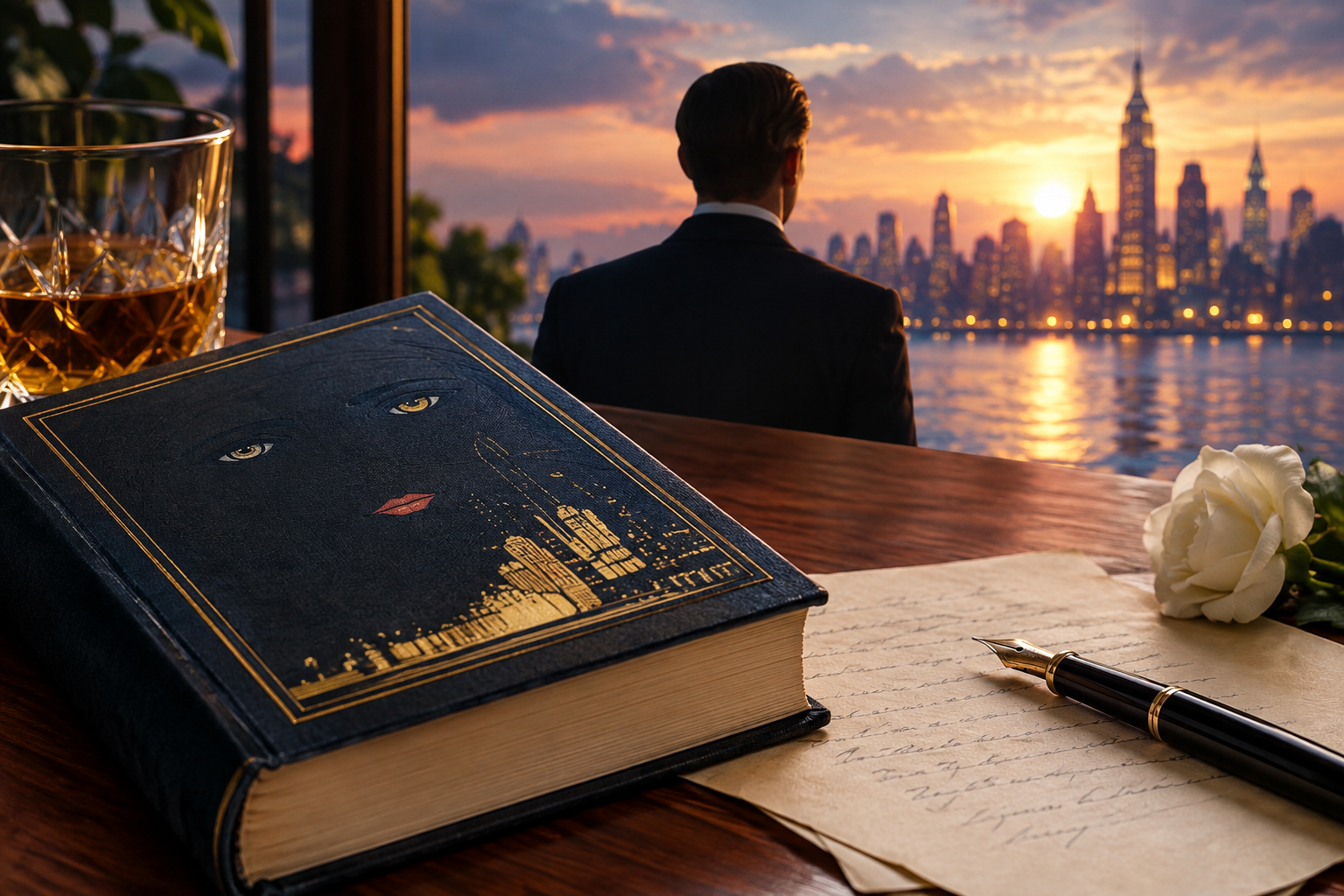
F. Scott Fitzgerald ends The Great Gatsby with one of the most celebrated passages in American literature. The last paragraph of Great Gatsby shifts from the personal tragedy of Jay Gatsby to a sweeping meditation on hope, memory, and the American Dream itself. Nick Carraway narrates this closing section, transforming a story about one man’s obsessive love into a universal statement about human striving. Understanding the last paragraph of Great Gatsby means looking closely at its imagery, its narrative voice, and its place within the novel’s broader themes.
The Content of the Passage
In the final paragraph, Nick sits on the shore near Gatsby’s now-empty mansion and gazes out at the water, imagining how the landscape must have looked to Dutch sailors centuries earlier, before human ambition reshaped it. He connects this “fresh, green breast of the new world” to the wonder Gatsby felt when he first saw the green light at the end of Daisy’s dock. Nick then extends this idea outward, suggesting that Gatsby’s dream doesn’t belong to him alone but represents something essential about human nature: our tendency to reach for something just out of grasp, believing tomorrow will bring us closer to it.
The passage closes with the now-iconic image of boats moving against the current, straining forward even as the tide pulls them backward—a metaphor for humanity’s relationship with time, desire, and the past.
Why the Last Paragraph of Great Gatsby Matters
The last paragraph of Great Gatsby matters because it recontextualizes everything that came before it. Up to this point, the novel follows a fairly intimate plot: Gatsby’s parties, his reunion with Daisy, the tragic accident, and his eventual death. But in these final lines, Nick pulls the camera back dramatically. He moves from a specific man’s specific dream to the shared condition of all people who chase something beyond their reach. This shift elevates Gatsby from a flawed, somewhat pathetic figure into a symbol of universal longing.
This zooming-out technique explains why the ending resonates so strongly with readers. Rather than simply mourning Gatsby, Fitzgerald invites us to see ourselves in him. Anyone who has pursued an idealized version of the future, only to watch it slip away, can recognize something of their own experience in these closing sentiments.
The Green Light and the American Dream
No discussion of the last paragraph of Great Gatsby is complete without addressing the green light, which appears at both the beginning and the end of the novel. Throughout the story, the green light at the end of Daisy’s dock represents Gatsby’s hope of reuniting with her and reclaiming a lost past. In the final paragraph, Nick broadens this symbol, comparing it to the “orgastic future” that recedes from us year after year, always promising fulfillment but never quite delivering it.
This connects directly to the novel’s critique of the American Dream. Gatsby believes that wealth, status, and sheer will can restore a lost moment in time and win back Daisy’s love. His failure suggests that Fitzgerald’s American Dream rests on an illusion—a belief in limitless self-reinvention that ignores the immovable realities of class, history, and human error. The last paragraph of Great Gatsby generalizes this critique, implying that the same doomed optimism that destroyed Gatsby animates the entire American project.
The Boats Against the Current
The final image of boats “borne back ceaselessly into the past” is perhaps the most quoted line in the novel, and for good reason. It captures a paradox: we believe we’re moving forward, pursuing new goals and fresh beginnings, yet memory, history, and unresolved longing constantly pull us backward. For Gatsby, this meant he could never let go of his idealized vision of Daisy from five years earlier. For Nick—and by extension, the reader—it suggests that this same current catches everyone, no matter how hard they row against it.
This closing metaphor gives the novel a cyclical, almost mournful quality. Despite all of Gatsby’s effort, ambition, and self-invention, he cannot escape the pull of the past. The last paragraph of Great Gatsby suggests that this struggle isn’t a personal failing unique to Gatsby but a fundamental part of being human.
Nick’s Role as Narrator in the Closing Lines
It’s worth noting that Nick delivers the final paragraph through his own perspective, not through an omniscient narrator. This matters because Nick has spent the novel positioning himself as an honest, somewhat detached observer of the extravagance and moral decay around him. By the end, though, what he has witnessed deeply affects him. His reflection on Gatsby becomes a reflection on his own disillusionment with the East Coast, wealth, and the people who inhabit Gatsby’s world.
This personal investment gives the ending emotional weight. Nick doesn’t simply comment on Gatsby from a distance; he works through his own understanding of ambition, loss, and the passage of time. The intimacy of his voice in these final lines makes the passage feel less like an abstract philosophical statement and more like a genuine, hard-won realization.
Literary Significance and Legacy
Scholars and teachers frequently cite the last paragraph of Great Gatsby as one of the greatest closing passages in American fiction, studying it for its poetic rhythm, its symbolism, and its thematic ambition. Fitzgerald manages to compress an entire novel’s worth of meaning into a handful of sentences, using rich imagery and careful pacing to leave readers with a lasting sense of both beauty and sorrow.
Its enduring popularity also speaks to its adaptability. Each generation of readers tends to find its own anxieties about ambition, inequality, and the elusiveness of happiness reflected in these lines, which explains why the passage continues to draw quotes, references, and analysis nearly a century after the novel’s publication.
Conclusion
The last paragraph of Great Gatsby transforms a personal tragedy into a timeless commentary on hope, memory, and the human condition. Through the symbolism of the green light and the powerful image of boats fighting against the current, Fitzgerald suggests that our dreams, however unattainable, define who we are. This closing passage remains one of literature’s most powerful meditations on ambition and the past, ensuring that The Great Gatsby continues to resonate with readers long after its final page.